How Queen's Residence Buildings Actually Differ in Daily Life
Choosing a residence at Queen's is not just about getting a room. It shapes how your days actually work: how far you walk, how much noise you live with, how easy it is to study, and how naturally you find your people. This guide is here to help you think through those tradeoffs before selection day.
Queen's residences are not interchangeable. Some feel busy and social from the moment you walk in. Others feel quieter, more private, or more structured. A building can look good on paper and still be a poor fit for the way you actually live.
Buildings like Vic, Leggett, Brant, Endaayaan, JDUC, and Jean Royce create very different day-to-day experiences. Some students do best in a traditional first-year environment with more noise and more activity around them. Others need more privacy, better study conditions, or more personal space to feel steady.
What matters most is not what sounds impressive to someone else. What matters is whether the building supports the way you study, rest, socialize, and manage your time.
What Main Campus Versus West Campus Changes in Real Life
At Queen's, location affects much more than convenience. A few extra minutes of walking can change how your mornings feel, how often you go back to your room, and how connected you feel to the centre of campus life.
Main Campus residences usually keep you closer to classes, dining, libraries, and the social flow of first year. West Campus can still work well for some students, but it changes the rhythm of your day. A longer walk or bus ride is not just a small inconvenience if you are someone who values flexibility, easy access, or a more spontaneous routine.
That tradeoff is worth thinking about honestly. Some students are completely fine with it. Others find it wears on them more than they expected.
How LLC and Unique Community Options Should Affect Your Shortlist at Queen's
LLCs and Unique Communities can matter, but only if they genuinely fit you. They should not automatically make a residence seem better.
For some students, a community with a stronger academic, social, or lifestyle fit can make residence feel more supportive from the start. For others, the building itself, the location, or the room setup matters far more than a themed community.
The right question is not, 'Does this residence offer something special?' It is, 'Would this actually improve my experience once classes begin?'
What Room Type and Washroom Tradeoffs Mean Once the Semester Starts
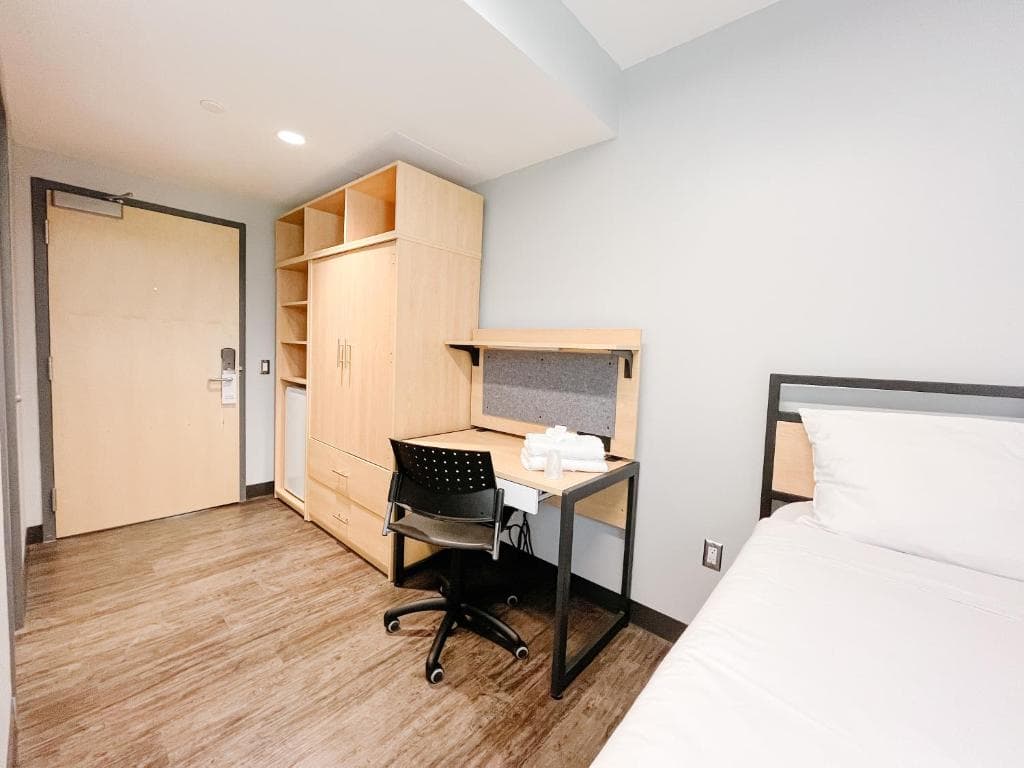
Room type is one of the most important quality-of-life differences in residence. At Queen's, there is a real difference between a traditional room, a shared room, and a Single Plus setup.
Some students care most about privacy and want more control over noise, washroom access, and downtime. Others are comfortable with a more standard shared setup if the building has the right social energy, location, or cost.
Washroom style also matters more in practice than many students expect. It affects mornings, routines, comfort, and how much personal space you feel you have. If privacy helps you function well, it should be treated as a real priority, not as a minor preference.
How to Think About Noise, Privacy, and Social Energy Before Selection Day
Some students want a lively residence because they know it will help them meet people quickly. Others need a quieter environment to sleep well, focus, and feel stable.
Neither preference is better. The mistake is pretending that you are more adaptable than you really are.
If too much noise drains you, that matters. If being surrounded by activity gives you energy, that matters too. A residence that looks exciting from the outside can still be a bad fit if the social rhythm works against you.
The best choice is usually the one that supports your actual habits, not the one that sounds most impressive in conversation.
How to Use This Information on Selection Day
Go into selection day with more than one building in mind. A strong choice matters, but so do your second and third options.
Think clearly about how much privacy you need, how much noise you can realistically tolerate, whether location will affect your daily routine, whether a community option truly helps you, and whether room style and washroom setup are important enough to narrow your shortlist.
A good residence choice is not about choosing the 'best' building in general. It is about choosing the building that best supports your year.